Sapphire Crystal vs Mineral Crystal: Which Is Better for a Dive Watch?
- Marc Dubois

- Mar 3
- 4 min read
When shopping for the best Swiss dive watch under $1,000, one of the most important — yet often overlooked — specifications is the crystal. Sapphire crystal vs mineral crystal at a glance is a very important feature of the watch design.
The crystal is the transparent cover that protects the dial. It affects durability, clarity, long-term appearance, and even resale value.
You will typically see two materials in this price category:
Sapphire crystal
Mineral crystal
At first glance, they may look identical. But in daily wear, especially on a Swiss automatic dive watch, the differences become significant.
This guide explains:
What sapphire crystal is
What mineral crystal is
Scratch resistance comparison
Impact resistance comparison
Long-term durability
Clarity and anti-reflective coating
Which is better for a dive watch
Whether sapphire is worth the upgrade
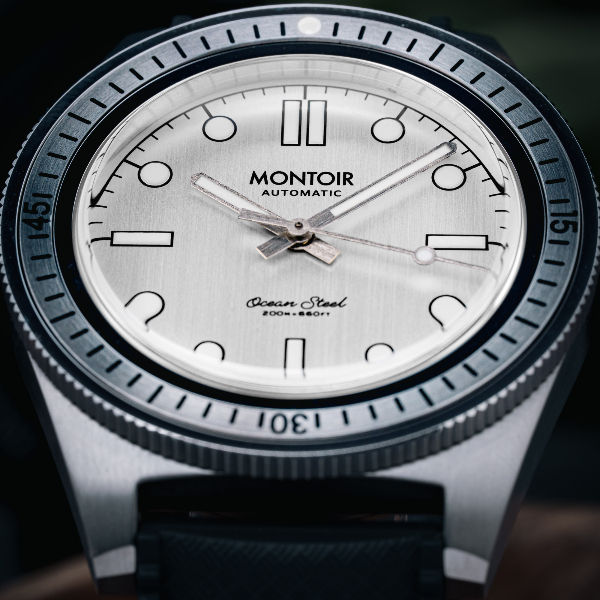
What Is Sapphire Crystal?
Sapphire crystal is a synthetic material made from crystallized aluminum oxide.
It is not glass.
It is engineered in laboratories under extremely high temperatures to create a transparent material that ranks 9 on the Mohs hardness scale.
For comparison:
Diamond ranks 10
Sapphire ranks 9
Mineral glass ranks around 5–6
That hardness difference is critical.
In practical terms, sapphire crystal is extremely scratch resistant.
When evaluating a sapphire crystal dive watch, this means the crystal will maintain clarity over years of wear, even with regular exposure to:
Desk surfaces
Door frames
Sand
Saltwater
Metal contact
For a serious tool watch / tool watch construction, sapphire dramatically increases long-term durability.
What Is Mineral Crystal?
Mineral crystal is hardened glass.
It is stronger than standard window glass but significantly softer than sapphire.
Mineral crystal is:
Less expensive to produce
Easier to polish initially
More prone to scratching over time
Many entry-level watches use mineral crystal to reduce manufacturing costs.
In a lower-priced fashion watch, this may be acceptable.
However, in a Swiss dive watch under $1,000, mineral crystal becomes a compromise that affects longevity.
Scratch Resistance Comparison
This is where sapphire clearly outperforms mineral crystal.
Because sapphire ranks 9 on the Mohs scale, only materials of similar hardness can scratch it.
Mineral crystal, ranking around 5–6, can be scratched by:
Sand particles
Steel contact
Everyday friction
Over time, mineral crystal often develops micro-scratches that:
Reduce clarity
Create glare
Make the watch appear worn
Lower resale value
A sapphire crystal dive watch maintains its visual clarity far longer.
For anyone seeking the best dive watch under $1,000, scratch resistance is a major factor in long-term satisfaction.
Impact Resistance — Is Sapphire Fragile?
A common misconception is that sapphire is fragile.
Here’s the truth:
Sapphire is harder
Mineral is softer
Harder materials resist scratches better. Softer materials absorb impact slightly better.
However, modern sapphire crystals used in dive watches are engineered with thickness and structural reinforcement.
In real-world use, both sapphire and mineral can break under extreme impact.
For everyday wear and diving conditions, sapphire provides superior overall durability.
Clarity and Optical Performance
Sapphire crystal offers excellent optical clarity.
It also allows for the application of anti-reflective (AR) coating, which reduces glare and improves legibility underwater and in bright sunlight.
In a professional Swiss automatic diver, legibility is critical.
Dive watches are tool watches — they must be readable in low light, underwater, and at quick glance.
A sapphire crystal with AR coating enhances that functionality.
Long-Term Ownership and Resale Value
Over a 5–10 year ownership period, crystal material significantly affects appearance.
Mineral crystal tends to show wear faster.
Scratches accumulate.
Clarity diminishes.
Sapphire maintains:
Clean appearance
Scratch resistance
Strong resale appeal
For buyers considering long-term ownership of a Swiss dive watch under $1,000, sapphire crystal supports value retention.
Sapphire Crystal vs Mineral Crystal in Serious Dive Watches
Historically, entry-level watches used acrylic.
Then mineral glass became common.
Today, sapphire crystal has become the modern standard for serious dive watches.
If a watch is positioned as:
A professional tool watch
A 200m dive watch
A Swiss automatic diver
Sapphire crystal should be included.
Otherwise, the watch is cutting corners.
For deeper guidance, read:→ Best Swiss Dive Watch Under $1,000(/blog/best-swiss-dive-watch-under-1000)
Cost Differences — Why Some Brands Still Use Mineral
Sapphire crystal is more expensive to manufacture and machine.
It requires:
Diamond tooling
Specialized cutting
Precision finishing
Mineral crystal is cheaper and easier to produce.
Some brands use mineral to protect profit margins — especially in watches priced just under $1,000.
However, when evaluating a value-driven Swiss automatic dive watch, sapphire crystal represents a stronger long-term investment.
How Sapphire Supports Dive Watch Performance
Dive watches must handle:
Saltwater exposure
Sand abrasion
Temperature shifts
Outdoor impact
Sapphire crystal supports this environment by resisting scratches and maintaining clarity.
For underwater timing, legibility is not optional — it is essential.
A scratched crystal compromises that function.
The Montoir Approach to Crystal Selection
The Montoir V2.5 uses:
Sapphire crystal
Anti-reflective coating
Proper gasket sealing
200m water resistance
This ensures the crystal matches the durability of the stainless steel case and unidirectional bezel.
Rather than cutting costs with mineral glass, the focus remains on long-term tool-watch integrity.
If you're evaluating sapphire crystal Swiss dive watches: Shop the Collection
Production remains limited.
Frequently Asked Questions
Is sapphire crystal worth it?
Yes. Sapphire crystal dramatically improves scratch resistance and long-term clarity.
Does sapphire scratch?
It is extremely difficult to scratch. Only materials close to diamond hardness can mark it.
Can sapphire shatter?
Under extreme impact, sapphire can crack. However, in normal use, it is highly durable.
Is mineral crystal bad?
Not necessarily. It is simply less scratch resistant and more prone to visible wear over time.
Why do some expensive watches still use mineral?
Some brands prioritize cost efficiency in certain models. However, most serious dive watches now use sapphire.
Final Thoughts — Which Is Better?
For a serious Swiss dive watch under $1,000, sapphire crystal is the superior choice.
It offers:
Exceptional scratch resistance
Long-term clarity
Strong resale appeal
Enhanced legibility
Better durability in tool-watch conditions
Mineral crystal reduces cost but compromises longevity.
If you're investing in a Swiss automatic diver designed for real-world use, sapphire crystal should be considered essential — not optional.
For a complete buyer’s guide, revisit:→ Swiss diver under $1,000
And if you're ready to explore sapphire-equipped Swiss dive watches:


Comments