Are Microbrand Dive Watches Worth Buying? A Complete 2026 Buyer’s Guide
- Marc Dubois

- Mar 3
- 4 min read
Over the past decade, the watch industry has changed dramatically.
Where heritage Swiss brands once dominated every price tier, a new category has emerged: the microbrand dive watch.
If you’re researching the best Swiss dive watch under $1,000, you’ve likely encountered microbrands promising premium specifications, limited production, and direct-to-consumer pricing.
But the question remains:
Are microbrand dive watches actually worth buying?
Are they reliable? Do they hold value? Are they built to the same standards as established brands?
This guide breaks down:
What a microbrand watch is
How microbrands differ from traditional brands
The pros and cons of buying a microbrand
Reliability and service considerations
Value retention and resale
Who microbrands are best for
How to evaluate a serious Swiss microbrand dive watch
What Is a Microbrand Watch?
A microbrand is an independent watch company that:
Operates at smaller production scale
Sells primarily direct-to-consumer
Focuses on enthusiast-driven design
Avoids traditional wholesale retail chains
Unlike major Swiss conglomerates, microbrands often launch through:
Kickstarter campaigns
Pre-order models
Limited production runs
Online direct sales
The term “microbrand” does not refer to quality. It refers to company structure and scale.
Some microbrands are entry-level. Others produce watches that rival or exceed larger brands in specification.
Why Microbrands Have Grown in Popularity
Several factors have fueled the rise of microbrand dive watches:
Enthusiast communities online
Social media and direct marketing
Transparency around specifications
Discontent with rising luxury pricing
Direct-to-consumer economics
Buyers increasingly research specifications such as:
Sapphire crystal
Stainless steel construction
Unidirectional bezel
Rather than buying based solely on brand heritage.
This shift benefits microbrands that focus on value density.
Microbrand vs Traditional Swiss Brand
To understand whether microbrands are worth it, you must understand the pricing structure of traditional brands.
Heritage brands operate within:
Manufacturer
Distributor
Retailer
Each layer adds markup.
A watch that costs $400 to manufacture may retail for $1,200–$1,800 once wholesale margins are applied.
Microbrands often eliminate those middle layers.
They sell directly to the buyer.
This means the same $1,000 retail price can potentially include:
Higher-grade movement
Sapphire crystal
200m water resistance
Better lume
Stronger case finishing
This is why many buyers searching for the best dive watch under $1,000 now consider microbrands seriously.

Are Microbrand Dive Watches Reliable?
Reliability depends on engineering, not size.
A microbrand dive watch can be extremely reliable if it includes:
A proven Swiss automatic movement
Pressure-tested 200m case construction
Screw-down crown
Sapphire crystal
Quality gaskets and seals
Many microbrands use established Swiss movements that are serviceable worldwide.
The key is evaluating specifications, not marketing language.
For guidance on what matters, read:→ Best Swiss Dive Watch Under $1,000
What Are the Risks of Buying a Microbrand?
While microbrands offer strong value, buyers should consider:
Smaller company size
Limited physical retail presence
Potentially longer wait times on pre-orders
Smaller servicing networks
However, these risks are often offset by:
Transparent communication
Limited production exclusivity
Enthusiast-focused design
The most important factor is whether the brand builds with long-term ownership in mind.
Do Microbrand Watches Hold Value?
Resale value depends on:
Brand reputation
Specification quality
Production volume
Community perception
Mass-produced fashion watches typically depreciate heavily.
Limited-production Swiss automatic microbrand watches can retain value better — especially when built around strong specifications.
Value retention is strongest when the watch includes:
Swiss automatic movement
Sapphire crystal
200m water resistance
Recognizable enthusiast support
Microbrands with clear identity and consistent quality often build loyal communities.
Are Microbrands Better Than Luxury Brands?
“Better” depends on what you prioritize.
Luxury heritage brands offer:
Long-standing history
Global servicing networks
Brand recognition
Microbrands often offer:
Higher specifications per dollar
Limited production exclusivity
Direct-to-consumer pricing
Enthusiast-first design
If your goal is maximum specification value under $1,000, microbrands often outperform legacy brands in that specific category.
Who Should Consider a Microbrand Dive Watch?
Microbrands are ideal for buyers who:
Research specifications carefully
Value engineering over logo prestige
Appreciate limited production
Want a serious tool watch without paying retail markups
Seek a Swiss automatic dive watch under $1,000
They may not be ideal for buyers who prioritize brand name recognition above all else.
Evaluating a Serious Swiss Microbrand Dive Watch
If you are considering a microbrand, evaluate these criteria:
Does it use a Swiss automatic movement?
Is it rated to 200m water resistance?
Does it include sapphire crystal?
Is the bezel unidirectional and precise?
Does it use a screw-down crown?
Is the case solid stainless steel?
Does the brand communicate transparently?
If the answer is yes to all of the above, the watch likely meets serious tool-watch standards.
The Montoir Example
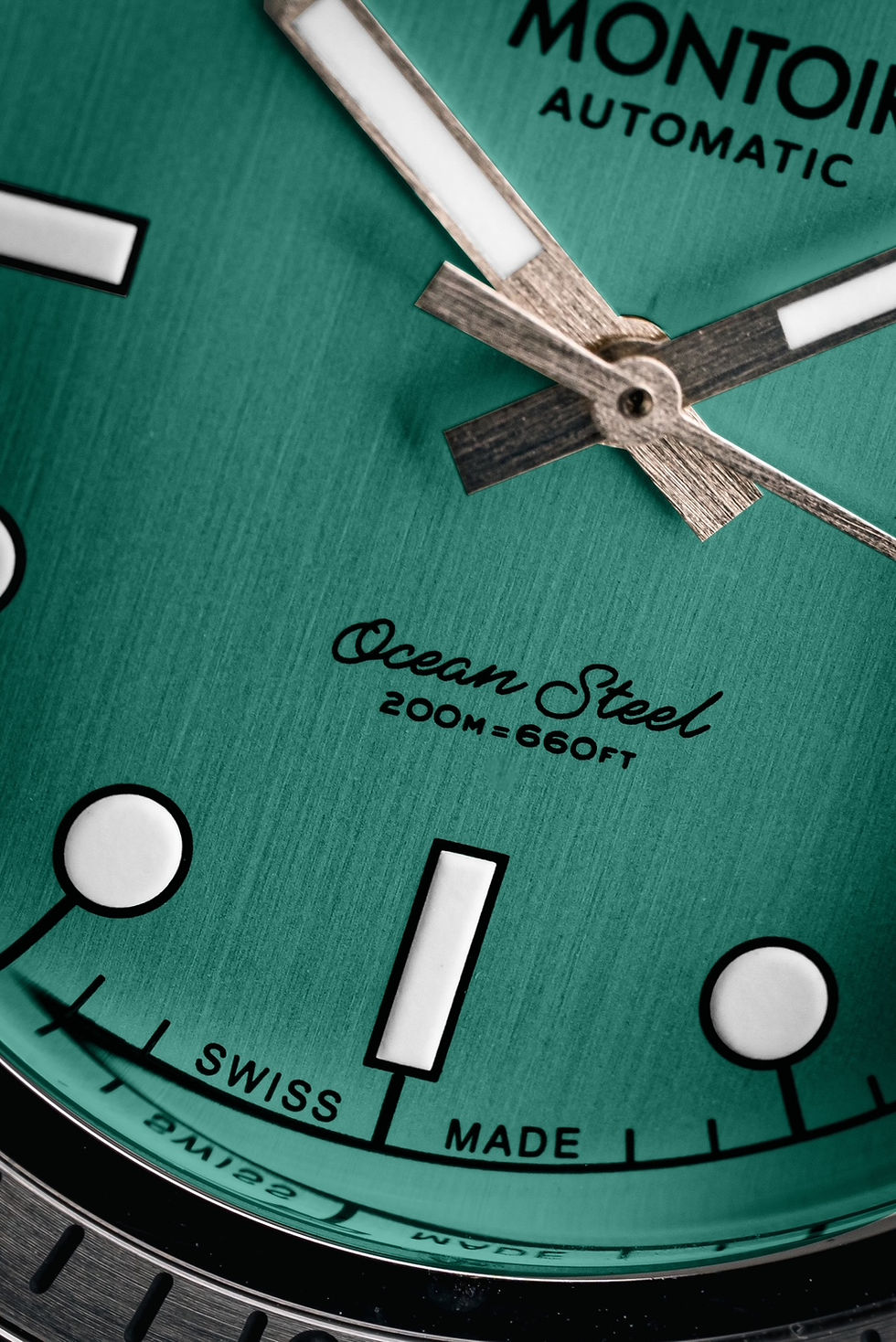
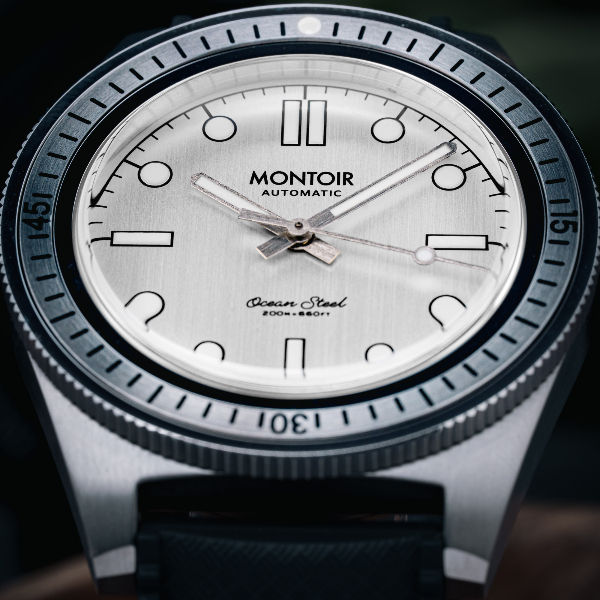
Montoir operates as a direct-to-consumer watch brand focused on Swiss automatic dive watches.
The V2.5 integrates:
Swiss automatic movement
200m water resistance
Sapphire crystal
Stainless steel unidirectional bezel
Super-LumiNova lume
Limited production runs
Rather than competing on heritage alone, the focus remains on engineering integrity and value density.
For those evaluating microbrand Swiss dive watches:
Availability is limited by production run.
Frequently Asked Questions
Are microbrand watches lower quality?
Not necessarily. Quality depends on components and engineering, not company size.
Why are microbrands cheaper?
They often eliminate distributor and retailer markups, allowing higher specs at similar price points.
Can a microbrand watch be serviced?
If it uses a standard Swiss automatic movement, most qualified watchmakers can service it.
Are microbrands risky?
Like any purchase, research matters. Established microbrands with consistent releases and transparent communication reduce risk significantly.
Do microbrand dive watches last?
When built with quality materials and proper water resistance standards, they can last decades with maintenance.
Final Thoughts — Are Microbrand Dive Watches Worth It?
For buyers focused on specification value, engineering integrity, and limited production exclusivity, microbrand dive watches are absolutely worth considering.
Especially in the Swiss dive watch under $1,000 category, microbrands often deliver:
Swiss automatic reliability
Sapphire crystal durability
200m dive capability
Tool-watch authenticity
Strong value per dollar
The key is choosing brands that prioritize long-term quality over trend.
If you're evaluating serious Swiss automatic dive watches:
For a full buyer framework, revisit:


Comments